
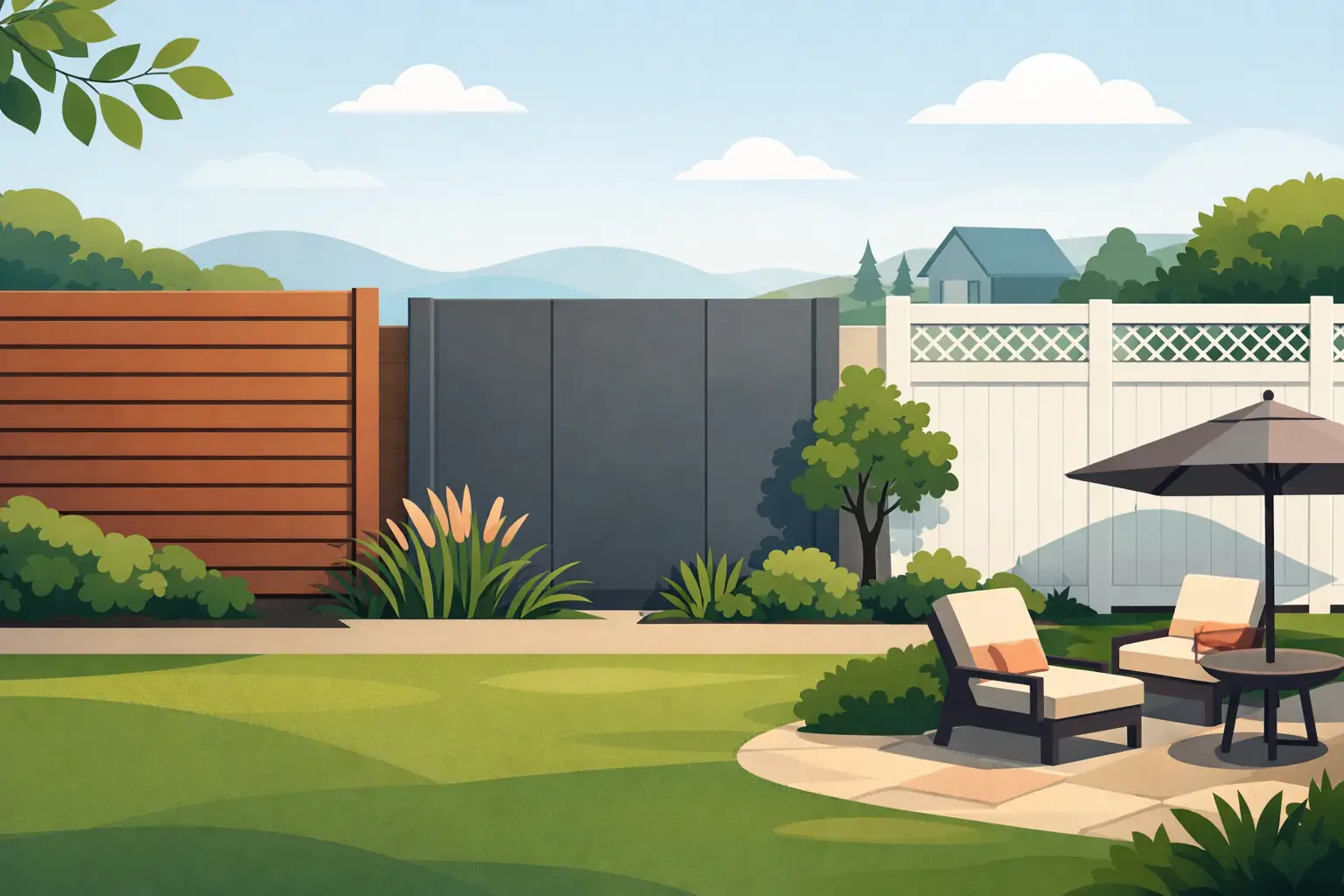
A backyard can look open and inviting on paper, then feel far too exposed once you start using it. Maybe the neighbor’s second-story window looks straight onto your patio. Maybe the road behind your lot is louder than expected. If you are trying to choose the best fence for privacy, the right answer depends on more than blocking a view. It also comes down to budget, maintenance, durability, local weather, and how you want your yard to function every day.
For many East Texas homeowners, privacy is tied to comfort. It changes how often you use your patio, whether kids can play without feeling exposed, and how much your outdoor space feels like part of your home. A fence should solve that problem without creating a new one a few years later.
What makes the best fence for privacy?
The best privacy fence creates real separation without looking out of place on your property. That usually means minimal gaps between boards or panels, enough height to block common sightlines, and materials that can hold up through heat, humidity, rain, and seasonal storms.
There is no single perfect choice for every yard. A fence that works well on a small suburban lot may not be the best fit for a larger property with uneven ground. The same goes for style. Some homeowners want a clean, low-maintenance fence they can install and mostly forget about. Others care more about a natural look that blends with landscaping and adds warmth to the yard.
That is why the best fence for privacy is usually the one that balances four things well: screening, appearance, upkeep, and long-term value.
Wood privacy fencing remains the classic choice
For many homes, wood is still the most popular privacy fence option. It offers a solid visual barrier, a traditional look, and flexibility in design. You can choose board-on-board construction for better coverage, shadowbox styles for airflow with partial privacy, or standard side-by-side pickets for a straightforward enclosed yard.
Wood works especially well when homeowners want a fence that feels natural and fits established landscaping. It can be stained in warm tones, painted to match the home, or left with a more rustic finish depending on the look you want.
The trade-off is maintenance. In East Texas, moisture and sun both take a toll over time. Wood fences need routine care to help prevent warping, rot, fading, and insect damage. Repairs are usually manageable, which is one advantage of wood, but they are still part of ownership.
If appearance matters most and you do not mind periodic upkeep, wood is often one of the best answers to the privacy question.
Best wood fence styles for privacy
Not all wood privacy fences perform the same way. A basic side-by-side design can work well, but it may leave slight gaps as boards shrink over time. Board-on-board fencing offers stronger coverage because one board overlaps the next. That added layer helps with privacy from angles and can look more substantial from both sides.
A full cap-and-trim style can also improve the finished look, especially in front-facing or highly visible yards. It costs more than a basic installation, but many homeowners feel the cleaner appearance is worth it.
Vinyl fencing is a strong low-maintenance option
If your top priority is minimizing upkeep, vinyl deserves a serious look. A quality vinyl privacy fence gives you solid coverage and a clean appearance without the regular staining or sealing that wood requires. It resists rot, insect damage, and many moisture-related issues that can affect traditional materials.
That makes vinyl attractive for busy homeowners who want privacy without adding another item to the maintenance list. It is also consistent in appearance. You do not get knot patterns, uneven grain, or natural imperfections, which some homeowners appreciate and others find too uniform.
The biggest drawback is usually cost up front. Vinyl often costs more than wood initially, and lower-grade panels may become brittle or fade over time. Repairs can also be less simple if a section cracks or suffers impact damage.
Still, if you want long-term convenience and a polished look, vinyl is one of the best fence options for privacy.
Composite fencing offers privacy with durability
Composite fencing sits in the middle ground between natural and low-maintenance. It is made from a blend of wood fibers and plastic materials, which gives it a more substantial feel than some vinyl products while reducing many of the maintenance concerns tied to wood.
For homeowners who like the look of wood but want better resistance to moisture and insects, composite can be a smart investment. It typically provides excellent privacy because the panels are solid and uniform. It also tends to hold color well and requires less upkeep than wood.
The downside is price. Composite is usually one of the more expensive fencing materials. It can also have a heavier, more modern appearance that does not fit every home style. If your budget allows for it, though, composite can be one of the strongest long-term choices for a private, finished backyard.
Can metal be the best fence for privacy?
By itself, most metal fencing is not ideal for privacy. Ornamental aluminum and similar styles are great for defining a boundary, improving curb appeal, and maintaining visibility, but they do not block views. If privacy is the main goal, metal usually needs an added screen, landscaping, or privacy panels.
That does not mean it has no place in the conversation. Some homeowners use metal fencing around the front or sides of a property, then switch to a full privacy material in the backyard. Others combine metal frames with privacy inserts for a more custom look.
If you want complete screening from neighbors, standard metal fencing will not usually be the best fit on its own.
Height, layout, and yard conditions matter more than people expect
Material matters, but fence performance also depends on design and placement. A six-foot fence is common for privacy, but that height may not block elevated views from nearby windows or sloped yards. In some cases, a taller fence or strategic landscaping is the better solution.
Lot shape also matters. If your property slopes or has drainage concerns, fence installation needs to account for both appearance and function. A privacy fence that leaves inconsistent gaps at the bottom will not give the coverage most homeowners expect. At the same time, a fence installed without regard for drainage can contribute to standing water and long-term problems in the yard.
This is where a customized approach makes a difference. The best-looking fence on a flat lot may need a different plan on a property with grade changes, existing trees, or tight setbacks.
Choosing the right privacy fence for your budget
Homeowners often ask for the single best material, but budget changes the answer. If you want the lowest upfront cost and a traditional look, wood is often the most practical starting point. If you are focused on lower maintenance over time, vinyl may make more sense even with a higher initial investment. If you want a premium option with durability and a finished appearance, composite can be worth considering.
It also helps to think past installation day. A cheaper fence that needs more frequent repair or upkeep may not stay cheaper in the long run. On the other hand, paying for a premium material only makes sense if it matches how long you plan to stay in the home and how much value you place on reduced maintenance.
A good fence decision is usually less about chasing the most expensive option and more about matching the fence to your actual priorities.
Privacy and curb appeal should work together
A privacy fence should give you separation, but it should also improve the property instead of making it feel closed off or harsh. Color, board style, trim details, gate placement, and how the fence meets the home all affect the final result.
That is especially true for homeowners who are improving more than one part of the yard. A privacy fence often works best when it is planned alongside landscaping, drainage solutions, hardscaping, or lawn upgrades. When the whole space is considered together, the finished yard feels intentional instead of pieced together.
That is the value of working with a team that understands outdoor spaces as a whole. Cullz Outdoor LLC helps homeowners in Tyler and surrounding East Texas communities choose fence solutions that fit the property, the budget, and the way the yard is actually used.
So what is the best fence for privacy?
For many homeowners, the answer comes down to wood for classic appearance, vinyl for low maintenance, or composite for long-term durability with a more upgraded feel. The best choice depends on what you want most from the fence and what trade-offs you are willing to make.
If you want warmth and customization, wood is hard to beat. If you want less upkeep, vinyl stands out. If you want a premium balance of privacy and durability, composite deserves a look. The right fence is the one that makes your yard feel more comfortable, more usable, and more like home.
A good privacy fence does more than block a view. It gives your outdoor space a clear edge, a stronger sense of security, and a reason to spend more time outside.