
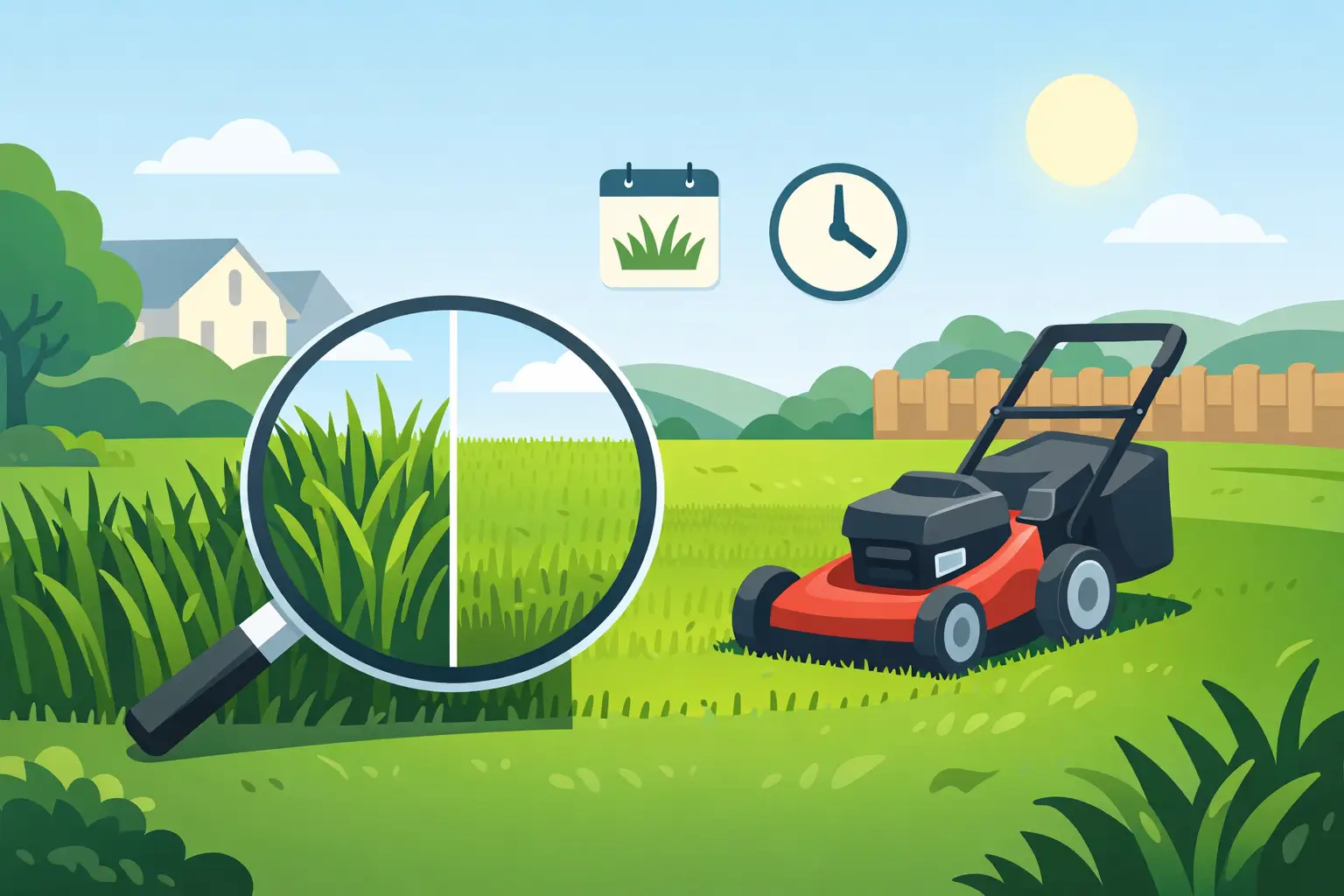
A lawn can look great one week and rough the next, especially in East Texas where warm temperatures and rain can push fast growth in a hurry. If you are asking how often should lawn be mowed, the short answer is this: most lawns need mowing about once a week during the active growing season, but the right schedule depends on grass type, weather, and how much height you remove each time.
That last part matters more than many homeowners realize. Mowing is not just about keeping the yard neat. It affects root depth, weed pressure, heat stress, and the overall look of your property. Cut too often and you can stress the grass. Wait too long and you end up scalping the lawn, leaving it uneven and more vulnerable to weeds and disease.
How often should lawn be mowed in East Texas?
For many Tyler-area homes, weekly mowing is the sweet spot from late spring through early fall. That schedule usually keeps warm-season grasses looking clean without taking off too much blade at once. During slower growth periods, such as early spring, late fall, or stretches of drought, every 10 to 14 days may be enough.
The better way to think about mowing frequency is not by the calendar alone. It is by growth rate. Grass does not grow on a fixed schedule. Rainfall, fertilizer, shade, temperature, and soil conditions all change how fast it grows.
A healthy lawn after a rainy stretch may need attention sooner than expected. The same yard during a hot, dry spell may barely need cutting at all. If you stick to a rigid schedule without looking at the lawn itself, you can end up mowing at the wrong time.
Follow the one-third rule
The most reliable rule for mowing is simple: never remove more than one-third of the grass blade in a single cut. That is the rule professionals use because it protects the lawn from unnecessary stress.
If your grass should be maintained at 3 inches, do not let it get much taller than about 4 to 4.5 inches before mowing. If it grows well beyond that and you cut it back hard, the lawn can thin out, discolor, and struggle in the heat.
This is why the answer to how often should lawn be mowed is often, mow when the lawn has grown enough to remove no more than one-third. In peak growing season, that may mean once a week. In especially wet, warm periods, it might even mean every 5 to 6 days.
Grass type changes the schedule
Not every East Texas lawn grows the same way. Warm-season grasses dominate in this region, but each variety has its own pace and preferred height.
Bermuda grass usually grows the fastest and often needs the most frequent mowing. If it is getting full sun, regular water, and fertilizer, twice a week is not unusual during strong summer growth. It also tends to look best when kept shorter, so staying ahead of growth matters.
St. Augustine grows thick and attractive but is usually maintained taller than Bermuda. In many residential yards, once a week is enough during active growth. Because it is often used in partially shaded lawns, growth may be less uniform, which means some sections can need cutting sooner than others.
Zoysia typically grows more slowly and holds a neat appearance longer. Many homeowners can mow it every 7 to 10 days, though heavy rain and fertilization can speed things up.
Centipede grass is generally lower maintenance and slower growing. It may not need the same weekly attention as Bermuda, especially if the lawn is not heavily fertilized.
If you are not sure which grass you have, the mowing pattern itself can tell you a lot. A lawn that quickly looks shaggy after rain is usually asking for a tighter schedule. A lawn that keeps its shape for more than a week may not need as much attention.
Weather matters more than the month
In East Texas, weather can throw off any neat mowing plan. A warm spring with regular rain can start growth early. A dry, high-heat summer can slow things down even in lawns that usually grow fast.
After heavy rainfall, grass can surge. That does not always mean mow immediately. If the yard is soggy, wait until the lawn dries enough to avoid rutting and clumping. Mowing wet grass can leave an uneven cut, create messy buildup, and stress both the lawn and the mower.
During drought or extreme heat, mowing frequency should usually decrease. Grass under stress is trying to survive, not push new growth. Cutting too short during these periods can make matters worse. A slightly taller lawn helps shade the soil and retain moisture.
Mowing height is tied to mowing frequency
The shorter you keep your grass, the more often it usually needs to be mowed. That is one reason low-cut Bermuda can require more upkeep than a taller St. Augustine lawn.
Homeowners sometimes lower the mower to buy more time between cuts. It sounds efficient, but it often backfires. Cutting too low weakens the grass and opens the door to weeds, thin spots, and sun stress. A lawn that is mowed at the correct height will usually stay thicker and healthier, which improves curb appeal over time.
For many East Texas lawns, slightly higher mowing heights work better through the hottest months. You may mow less often, and the lawn is better protected from heat stress. The trade-off is appearance. Some homeowners prefer a tighter, more manicured look and are willing to mow more frequently to get it.
Signs you are mowing too often or not often enough
A good mowing schedule should support both appearance and plant health. If the lawn looks dull, frayed, or stressed even though it is cut regularly, the schedule may be too aggressive or the mower height may be too low.
If the yard starts looking patchy, scalped, or full of clippings after each cut, you are probably waiting too long between mowings. That usually means too much blade is coming off at once.
You may also notice weeds gaining traction in weak or thin areas. While mowing alone does not cause every weed problem, inconsistent mowing can contribute to a lawn that loses density. Thick grass is one of the best defenses against weed pressure.
A practical mowing rhythm for most homeowners
If you want a straightforward starting point, use this rhythm. In peak growing season, check the lawn every 5 to 7 days. If it has grown enough that mowing will remove close to one-third of the blade, it is time to cut. During slower growth, stretch that to 10 to 14 days as needed.
For many residential properties, this works well:
- Spring green-up to early summer: about once a week
- Peak summer with rain and fertilization: once a week, sometimes more for Bermuda
- Hot, dry stretches: every 10 to 14 days, depending on growth
- Fall slowdown: every 10 to 14 days until growth stops
That is not a strict rulebook. It is a practical baseline. The lawn itself should make the final call.
Why consistent mowing improves the whole property
Regular mowing does more than clean up the front yard. It shapes how the entire property feels. A well-kept lawn makes landscaping edges look sharper, fences look newer, and outdoor spaces feel more cared for.
That matters if you are investing in curb appeal or planning bigger exterior improvements. A healthy lawn creates the foundation for everything around it, from flower beds to drainage solutions to backyard gathering areas. Even the best hardscaping or fence installation will not show as well if the grass around it is overgrown or stressed.
This is one reason many homeowners prefer working with a local outdoor company that understands the whole property, not just one task at a time. When mowing is handled correctly, it supports the appearance and function of the entire yard.
When it makes sense to get professional help
If your schedule is busy, your lawn grows unevenly, or you are never quite sure when to mow, professional lawn service can take the guesswork out of it. A reliable crew will adjust frequency based on actual growth, season, and conditions instead of following a one-size-fits-all pattern.
For homeowners in Tyler and surrounding East Texas communities, that local knowledge matters. Soil, heat, rainfall, and grass types all affect mowing decisions. A dependable team knows when a lawn needs weekly service and when it is smarter to hold off.
Cullz Outdoor LLC works with homeowners who want their outdoor spaces to look clean, healthy, and well cared for without having to manage every detail themselves.
The best mowing schedule is the one that keeps your lawn thick, even, and healthy through changing conditions. If you watch growth instead of the calendar, keep mower height appropriate for your grass, and avoid taking off too much at once, your lawn will usually tell you exactly what it needs.