
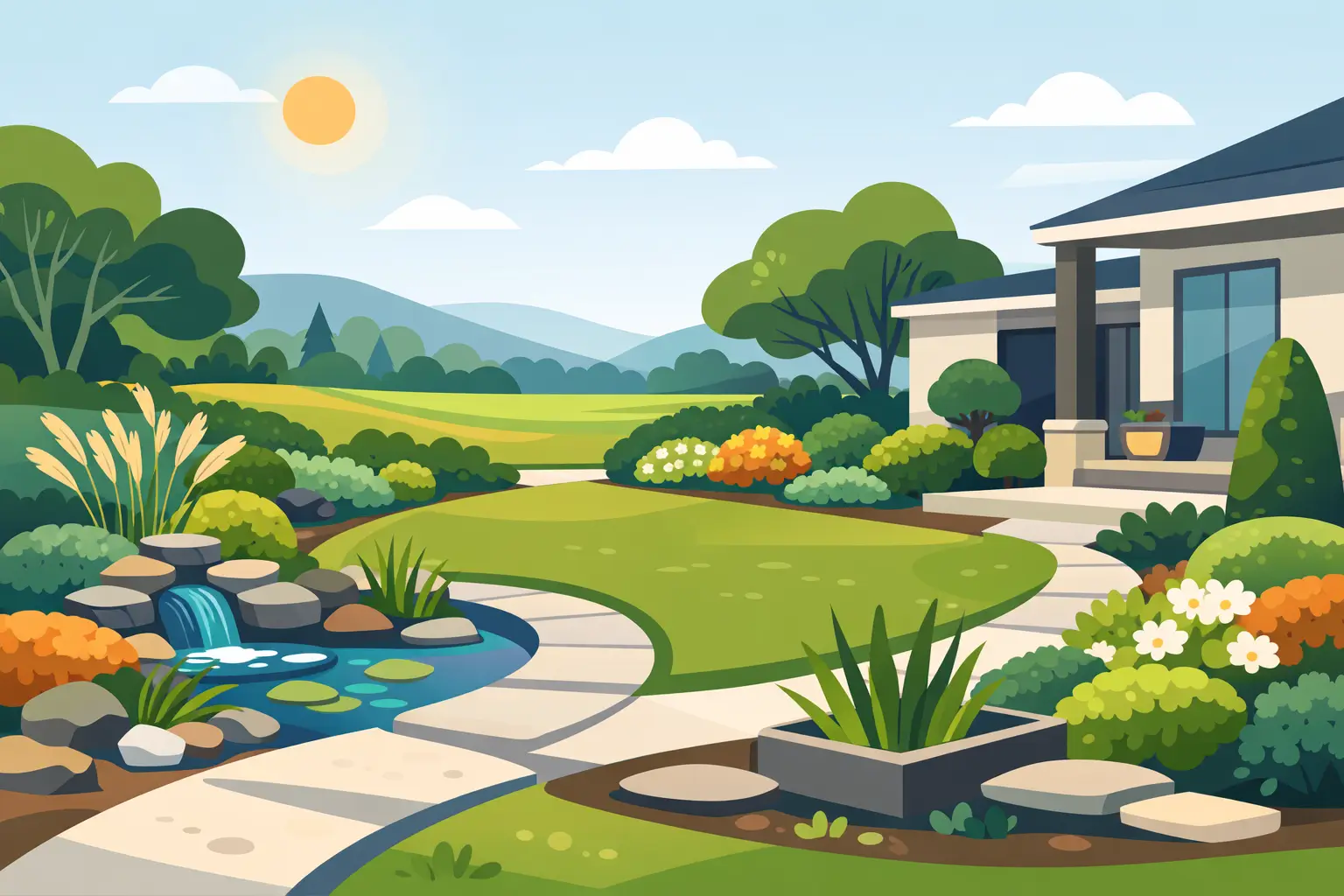
A front yard can make a home look finished or forgotten before anyone even reaches the door. The best front yard landscaping ideas do more than add color – they solve real problems like soggy spots, bare areas, awkward slopes, and a layout that never quite feels pulled together.
For homeowners in Tyler and across East Texas, that matters. Heavy rain, long hot stretches, fast-growing grass, and clay-heavy soil can all work against a good-looking yard. A smart front yard plan needs to fit the property, the maintenance you can realistically keep up with, and the way water moves across the lot.
Start With the Problems, Not Just the Plants
A lot of front yard projects go off track for one simple reason: people shop for plants before they decide what the space needs to do. If your yard holds water near the foundation, needs better walkway access, or has a steep grade, those issues should shape the design first.
That is why the strongest front yard landscaping ideas usually combine beauty with function. A new planting bed might soften the look of the house, but if the bed blocks drainage or makes mowing harder, it creates a new headache. The goal is a yard that looks clean, welcoming, and manageable month after month.
Think in layers
Most front yards look better when the design has structure. Start with the largest visual elements, such as lawn areas, trees, hardscape features, and main planting beds. Then build in smaller details like shrubs, ground cover, edging, and seasonal color. This keeps the yard from feeling random.
Match the design to the upkeep
There is no single right answer for every home. A family that wants a polished look with minimal weekend work may do better with defined beds, mulch, evergreen shrubs, and durable borders. A homeowner who enjoys gardening may want more flowering plants and seasonal rotation. Good design always includes an honest conversation about maintenance.
Front Yard Landscaping Ideas That Add Curb Appeal
Some updates make an immediate difference from the street. These are the improvements that help a yard look more intentional and better maintained, even before every detail is perfect.
Define the entry path
A clear walkway creates order fast. If the front path is too narrow, cracked, or visually disconnected from the driveway and porch, the whole yard can feel awkward. Reworking that path with pavers, concrete, or stone gives the property a stronger focal point and makes the entrance more inviting.
This is also one of the best places to combine landscaping with hardscaping. Plantings along the walkway can frame the route to the front door, but they should stay scaled to the space. Overgrown shrubs crowding the path can make even a nice yard feel closed in.
Use foundation plantings the right way
Foundation beds are classic for a reason, but they need balance. Shrubs that are too large can hide windows, trap moisture, and make the home look boxed in. Lower, layered plantings usually work better than a single row of oversized shrubs.
A mix of evergreen structure and seasonal color often gives the best year-round result. In East Texas, it also helps to choose plants that can handle heat and periods of heavy rain without constant replacement.
Create crisp bed lines
Sometimes the simplest upgrade is the one people notice most. Freshly cut bed edges, clean curves, and a defined separation between lawn and planting areas instantly make a front yard look maintained.
This matters because visual order signals quality. Even modest landscaping can look high-end when lines are sharp and materials are consistent. On the other hand, expensive plants can still look messy if the bed shapes wander or fade into the grass.
Add one strong focal point
A focal point gives the yard direction. That could be a specimen tree, a small retaining wall, a decorative planting island, or a feature near the entrance. The key is restraint. One strong focal point usually works better than several competing features.
If the front yard is small, scale matters even more. A feature that is too large can overwhelm the house, while one that is too small gets lost. This is where a tailored design makes a difference.
Use Hardscaping to Make the Yard More Functional
The best front yard landscaping ideas are not always about greenery. In many cases, hardscape features do more to improve the way the yard looks and works.
Retaining walls for slopes and uneven grades
If your front yard has a grade change, a retaining wall can turn a difficult area into usable, attractive space. It can create flat planting zones, support drainage planning, and give the property a more finished appearance.
This is especially useful on lots where erosion or washout is already a problem. A retaining wall should not be treated like a decorative add-on if the yard has real structural needs. It needs to be designed to hold, drain, and last.
Bordering and edging that actually holds shape
Stone, concrete, metal, and other edging materials can keep mulch in place and reduce grass creep into planting beds. The right choice depends on the look of the home and how formal or relaxed you want the yard to feel.
There is a trade-off here. Some edging styles look clean but can shift over time if they are not installed well. Others are more durable but cost more upfront. A good plan weighs both appearance and long-term performance.
Small sitting areas or porch extensions
Not every front yard needs a seating area, but some homes benefit from one. A widened porch, a small paved pad, or a bench tucked into the landscape can make the front of the home feel more welcoming.
This works best when the front yard has enough depth and the neighborhood supports that style of outdoor living. In other cases, the better investment may be stronger planting design and cleaner access instead of adding another hard surface.
Plan for Drainage Early
A beautiful yard will not stay beautiful if drainage is ignored. In East Texas, standing water and runoff can damage turf, wash out beds, stain hardscape, and create ongoing maintenance issues.
Build beds with water movement in mind
Planting beds should help guide water, not trap it against the house. Grading, downspout direction, and soil conditions all matter. If water already pools in low areas, that needs to be addressed before new sod, mulch, or decorative elements go in.
This is one of the biggest differences between a quick cosmetic update and a lasting landscape improvement. The surface may look great on day one, but if water is not managed properly, the problems return fast.
Choose materials that can handle the site
Mulch, rock, sod, and planting choices should match the drainage conditions. For example, rock may seem lower maintenance in some spots, but it can create heat stress around plants and may not solve erosion on its own. Mulch helps conserve moisture and improve appearance, but it may need refreshing and can wash if slopes are steep.
There is no one-size-fits-all answer. The best solution depends on sun exposure, water flow, and how much maintenance you want to take on.
Make the Front Yard Easier to Maintain
A front yard should not require constant work to stay presentable. For many homeowners, the best upgrade is a design that keeps its shape and appearance without demanding every weekend.
Reduce awkward mowing areas
Narrow strips of grass, sharp corners, and tiny cut-in sections can make routine lawn care harder than it needs to be. Expanding planting beds or adjusting borders can simplify mowing and trimming while improving the overall layout.
This is a practical move that often gets overlooked. A yard that is easier to mow usually looks better more consistently because it is easier to keep up.
Use plants with mature size in mind
One of the most common mistakes in front yard landscaping is planting everything too close together. It looks full at first, then turns crowded within a couple of seasons. Shrubs start blocking windows, roots compete, and pruning becomes constant.
Designing for mature size creates a cleaner result over time. It may look a little more open in the beginning, but it ages better and saves money on replacements and heavy trimming.
Keep seasonal color strategic
Flowers can brighten the front yard, but too much seasonal color can raise maintenance quickly. A better approach is to use annuals or flowering accents in focused areas near the porch, mailbox, or entry bed, while relying on strong evergreen structure for the main layout.
That balance gives you color where it counts without turning the whole front yard into a high-maintenance garden.
Choosing Front Yard Landscaping Ideas for Your Home Style
Not every design belongs in every yard. Brick homes, modern exteriors, ranch-style layouts, and traditional suburban homes each look best with slightly different landscape approaches.
A more formal home may benefit from symmetry, clipped shrubs, and clearly defined beds. A more relaxed home may look better with softer curves, mixed textures, and natural plant groupings. The point is not to copy a photo. It is to build a design that fits the architecture, lot conditions, and the way you actually live.
That is where working with a full-service outdoor team can save time and frustration. When landscaping, drainage, lawn care, hardscaping, and structural features are considered together, the result feels cohesive instead of pieced together.
The right front yard does not have to be flashy to stand out. It just needs to look intentional, hold up to the weather, and make coming home feel a little better every day.