
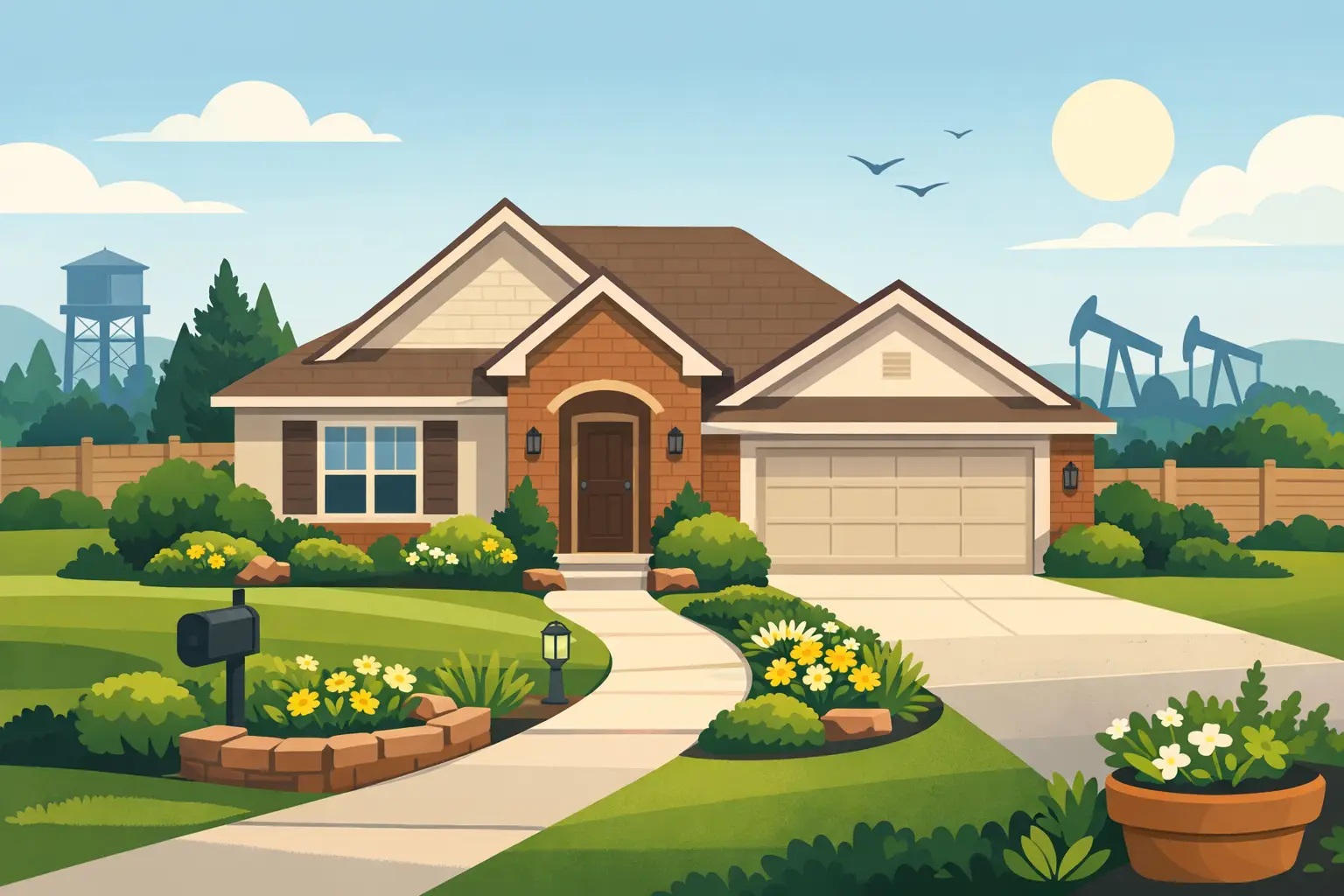
A home can have a beautiful interior, but the first impression happens before anyone reaches the front door. In East Texas, that first impression often comes down to how the lawn is holding up, whether water is collecting near the driveway, and if the front landscape looks cared for or forgotten. Knowing how to improve curb appeal means focusing on the details people notice first while making choices that work for your property, budget, and local conditions.
The good news is that curb appeal does not require rebuilding the entire yard. A few well-planned improvements can make a property feel cleaner, more welcoming, and more valuable. The best projects pair visual impact with practical function, from better drainage to a fence that creates a finished boundary.
Start With the Front Yard Basics
A neat, healthy lawn is the foundation of curb appeal. Overgrown grass, bare patches, heavy weeds, and ragged edging can make even a well-built home feel neglected. On the other hand, a freshly maintained lawn gives the entire property an immediate lift.
Begin with consistent mowing, trimming, and edging. The lines along sidewalks, driveways, flower beds, and curbs matter more than many homeowners realize. Clean edges create definition and make the yard look intentional. Remove leaves, fallen branches, old pots, and anything else that competes with the home’s appearance.
East Texas lawns can be demanding because heat, rain, shade, and soil conditions vary widely from one property to the next. A lawn that struggles in full sun may need a different approach than one beneath mature trees. Rather than applying a one-size-fits-all fix, look at drainage, irrigation coverage, grass condition, and the amount of daily sunlight. Routine lawn care is often the most affordable place to start, but it works best when underlying issues are addressed instead of covered up.
Improve Curb Appeal With Defined Landscape Beds
Landscape beds add color, depth, and structure around a home. They also help guide the eye toward the entryway, which is where you want visitors and potential buyers to focus. A front yard with only open grass can look flat, while thoughtfully placed beds make the property feel established.
Fresh mulch is one of the fastest visual upgrades available. It gives planting areas a clean, finished appearance and helps retain moisture around shrubs and plants. Choose a mulch color that complements the home’s exterior rather than fighting it. Dark brown and natural tones often work well with brick, stone, siding, and most East Texas landscapes.
Plant selection matters just as much as mulch. Use a mix of evergreen structure, seasonal color, and plants suited to your amount of sun and moisture. Foundation shrubs can soften the base of the house, while lower flowering plants can bring attention to walkways and front porch areas. Avoid crowding plants too close together. A bed may look full on installation day, but shrubs need room to mature without blocking windows, walkways, or views of the home.
If the front of your property feels uneven or sparse, landscaping can also create balance. For example, a small bed on one side of the entry may call for a matching or visually similar planting area on the other. Symmetry is not required, but the overall design should feel deliberate.
Make the Entry Feel Welcoming
Your front entry is a small area with outsized impact. A faded door, cluttered porch, cracked walkway, or weak lighting can undermine the work done elsewhere in the yard. Start by clearing the space and making sure the route to the door is easy to follow.
A freshly painted or cleaned front door, updated house numbers, and simple planters can make an immediate difference. Keep decorations proportional to the porch. One or two well-maintained containers often look better than several mismatched items. If you choose plants for pots, remember that they need regular watering during hot East Texas stretches.
Lighting deserves attention, especially for homes with shaded lots or long driveways. Path lighting, porch fixtures, and subtle landscape lighting can make the home safer and more inviting after sunset. The goal is not to flood the yard with light. It is to make steps, walkways, and the entrance visible while highlighting key features without glare.
Address Drainage Before It Damages the Look
Standing water, muddy areas, washed-out mulch, and soil erosion do more than create a maintenance headache. They make a property look poorly cared for and can eventually affect the lawn, foundation, and hardscape around the home.
Drainage is one of the most overlooked parts of how to improve curb appeal because homeowners often focus first on flowers and decorative upgrades. But new landscaping will not stay attractive if rainwater repeatedly washes through the bed or pools near the house. In many East Texas yards, correcting the flow of water is the improvement that protects every other investment.
The right solution depends on where water begins, where it collects, and where it can be safely directed. It may involve regrading part of the yard, extending downspouts, installing a drainage system, or building a retaining feature that manages elevation changes. There is no universal drainage fix, and directing water toward a neighbor’s property or the wrong area of your own lot can create a bigger problem. A professional site evaluation can help identify the cause before work begins.
Use Fencing to Create a Finished Property Line
A fence can improve curb appeal even when it is not the first thing people see. A leaning, weathered, or damaged fence distracts from the home and makes the entire property feel less secure. A well-built fence creates clean boundaries, adds privacy, and gives the yard a more complete appearance.
The best fence style depends on the home’s design and how the space is used. A privacy fence may be the practical choice for a backyard that needs separation from neighbors, while decorative fencing can define a front or side yard without closing it in. Material, height, gate placement, and local requirements should all be considered before installation.
Do not overlook existing fences. Repairs, cleaning, staining, and straightening can provide a major improvement when the structure is still sound. If replacement is needed, think beyond appearance alone. A quality fence should be built for long-term use, proper drainage around posts, and the demands of changing weather.
Add Hardscape Where the Yard Needs Function
Curb appeal is not only about what is planted. Walkways, borders, retaining walls, and driveway-adjacent features bring order to the landscape and make outdoor spaces easier to use. Hardscape is especially valuable on properties with slopes, erosion, or areas that become muddy after rain.
A defined walkway can make the entrance feel more polished and keep foot traffic from wearing paths through the lawn. Stone or edging around beds can sharpen landscape lines and reduce mulch spillover. Retaining walls can turn a difficult slope into usable, attractive space while holding soil in place.
These projects need careful planning. A retaining wall, for example, is not simply stacked blocks. It must account for soil pressure, drainage, grading, and construction quality. When it is designed correctly, it can improve the appearance of the yard and solve a practical issue at the same time. When it is built poorly, it can shift, crack, or trap water.
Prioritize Projects That Show and Last
If you are working with a limited budget, start with improvements that have both immediate visual value and long-term purpose. Lawn cleanup, edging, mulch, pruning, and entry updates usually create noticeable change quickly. Drainage repairs, fencing, and retaining walls may require a larger investment, but they can prevent damage and make future landscaping more successful.
A smart order of work is to correct water and grading concerns first, then handle structural features such as walls, walkways, and fencing. Landscaping and finishing touches come after that. This sequence helps prevent new plants, mulch, or sod from being disturbed by later construction.
For homeowners who want one local team to coordinate lawn care, landscaping, fencing, drainage, and hardscape work, Cullz Outdoor LLC can help shape a plan around the property instead of offering a generic package. The right project does not have to be the biggest one. It should make your home look better, work better, and stay easier to maintain through every East Texas season.
Take a walk to the curb and look back at your home as a visitor would. The areas that catch your eye first are usually the best place to begin.