
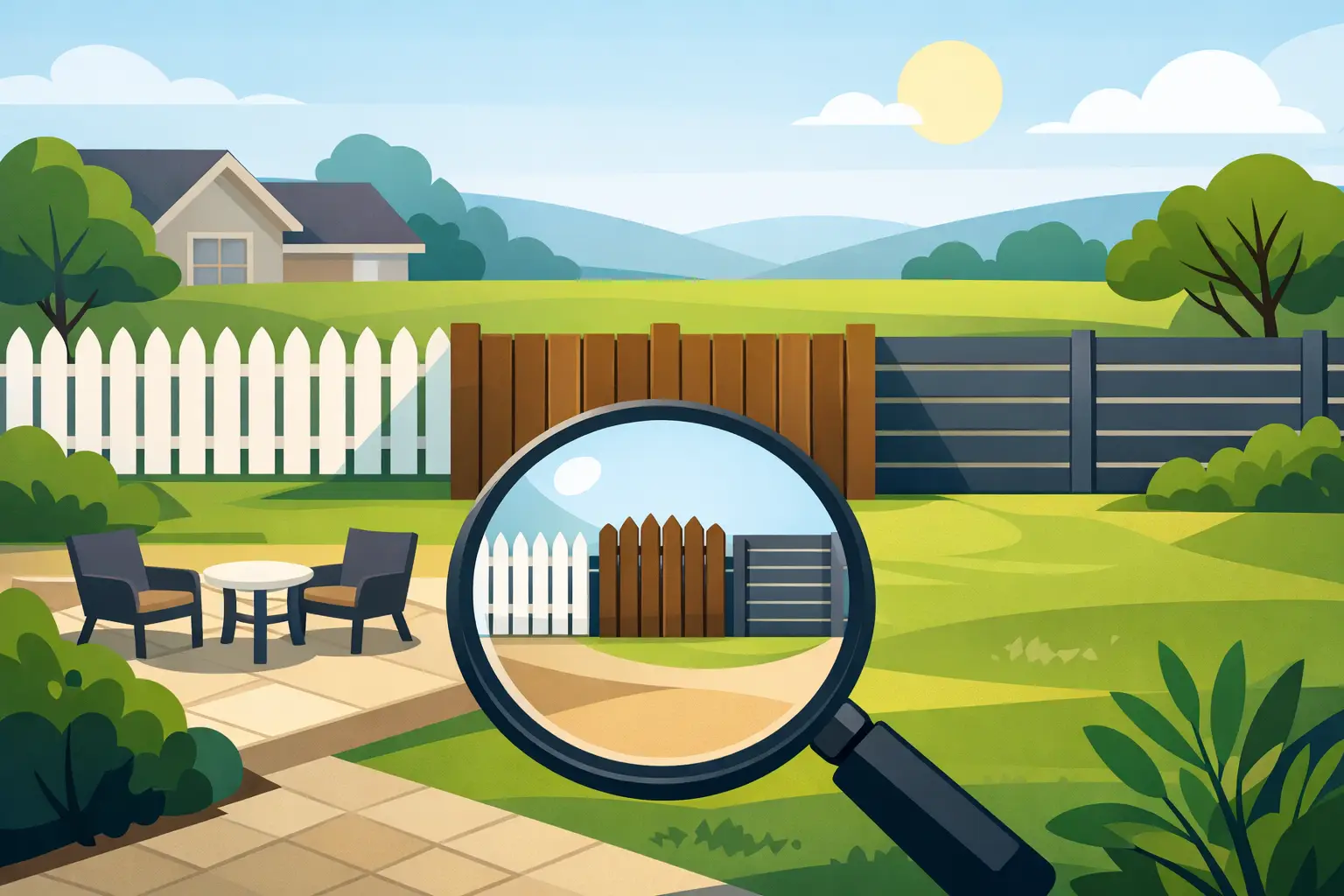
A backyard fence can change how you use your property every day. It can give children and pets a safer place to play, create privacy from nearby homes, define your lot, and make an outdoor living area feel finished. But choosing the wrong fence can lead to unnecessary maintenance, poor drainage, or a design that does not fit the way your family lives. Knowing how to choose backyard fencing starts with the purpose your fence needs to serve – then matching that purpose to your property, budget, and East Texas conditions.
Start With What You Need the Fence to Do
The best fence for one home may not be the best fit for the house next door. Before comparing materials or colors, decide what problem you are trying to solve. Privacy is a common priority in growing Tyler neighborhoods, while other homeowners need to contain dogs, protect a pool area, or create a clear boundary around a larger yard.
A solid 6-foot privacy fence gives you separation from neighbors and a more comfortable setting for patios, grills, and outdoor gatherings. If security and visibility matter more, an ornamental metal fence or chain-link fence may be a better choice. For families with pets, the spacing between pickets, the gap below the fence, and the gate latch matter just as much as the fence material.
Think about how your backyard will function two or three years from now, too. A fence that works around an empty lawn may need to accommodate a future patio, garden beds, retaining wall, play area, or drainage improvement. Planning those features together prevents costly changes later.
Check Boundaries, Rules, and Site Conditions First
Fence projects often look simple from the street, but the preparation behind a long-lasting installation matters. Confirming your property line is one of the most important first steps. Do not rely only on an existing fence, a neighbor’s landscaping, or an informal understanding about where the lot ends. A survey or clearly identified property markers can help prevent disputes and keep the new fence where it belongs.
Homeowners should also review neighborhood association requirements, deed restrictions, and applicable local rules. Some communities set limits on fence height, materials, gate placement, or the side of the fence that must face outward. Pool fencing may have additional safety requirements. Taking care of these details before materials are ordered keeps the project moving and protects your investment.
East Texas site conditions deserve attention as well. Heavy rain, clay soil, slopes, mature tree roots, and low spots can all affect fence design. A fence installed across a drainage path without a plan can trap water where it should flow, causing muddy areas, erosion, or pressure on the fence line. If your backyard holds water after a storm, address the drainage issue as part of the overall project rather than building around it.
Before digging begins, underground utilities must be located. This is a basic safety step that also helps determine where posts, gates, and landscape features can go.
Compare Fence Materials for Real-Life Maintenance
Material affects the appearance, upfront cost, maintenance needs, and service life of your fence. There is no single right answer. The right choice depends on the look you want and how much upkeep you are comfortable handling.
Wood fencing: classic privacy and flexibility
Wood remains a popular choice for backyard privacy because it looks natural and works well with many home styles. Cedar and treated pine can be built in many configurations, including board-on-board, shadowbox, cap-and-trim, and traditional privacy designs. Wood is also easy to customize around uneven terrain and landscaping features.
The trade-off is maintenance. Texas sun, moisture, and humidity can cause wood to fade, crack, warp, or develop mildew over time. A quality installation with properly set posts, suitable fasteners, and appropriate spacing helps, but wood still benefits from periodic cleaning, staining, or sealing. It is a strong option for homeowners who want a warm, traditional look and are prepared to care for it.
Vinyl fencing: clean and low-maintenance
Vinyl fencing offers a uniform appearance and does not need painting or staining. It can work well for homeowners who want privacy with less routine upkeep. Cleaning is generally straightforward, and vinyl does not rot like wood.
However, vinyl can cost more upfront, and repairs may be more noticeable if a panel is damaged. The style options can also feel less natural than wood, especially in older neighborhoods or heavily landscaped yards. Quality matters here, since thinner products can be less forgiving under impact or extreme weather.
Metal fencing: security without closing in the yard
Ornamental steel or aluminum fencing provides a polished, open look that works especially well around pools, gardens, pet areas, and scenic backyards. It creates a secure boundary while allowing sightlines through the yard. Aluminum resists rust well, while steel can offer greater strength depending on the product and installation.
An open metal fence will not provide much privacy on its own. Some homeowners pair it with shrubs, trees, or strategic landscape beds to soften the view. This approach can be attractive, but it takes time for plants to grow and requires ongoing landscape care.
Chain-link fencing: practical protection on a budget
Chain-link fencing is a dependable choice for enclosing larger yards, pet runs, utility areas, and properties where function is the main concern. It is usually more affordable than many privacy options and holds up well when installed correctly. Black vinyl-coated chain link can offer a more refined appearance than traditional galvanized metal.
Its main limitation is privacy. Privacy slats or plantings can help, but those additions change both the cost and the maintenance needs. For some homes, chain link is exactly the practical solution needed. For others, the front-facing appearance or open view may not fit the property goals.
Choose the Right Height, Layout, and Gate Locations
A fence should fit your yard rather than simply follow a standard template. Height is one of the first decisions. A 6-foot fence is common for backyard privacy, but a shorter fence may be enough for a decorative boundary or a small dog. Taller is not automatically better, particularly if it blocks a desirable view, casts too much shade, or conflicts with neighborhood rules.
The layout deserves the same care. Consider where the fence will meet your house, where air-conditioning equipment sits, and how you will access trash bins, lawn equipment, or a backyard workspace. A gate that is too narrow can make future landscaping, patio work, or equipment access difficult. For many homes, a standard walk gate plus a wider double gate offers useful flexibility.
Pay attention to grade changes. A stepped fence can follow a sloped yard with clean horizontal sections, while a contoured fence follows the ground more closely. Both can look good, but the better choice depends on drainage, privacy needs, and the amount of slope. Large gaps at the bottom of a fence are especially problematic for small pets.
Look Beyond the Fence Panels
Fence panels get the attention, but posts, framing, hardware, and installation methods determine how the structure performs over time. Posts need adequate depth and secure setting for the soil conditions. Rails should be properly fastened, gates should be supported to resist sagging, and pickets should have consistent spacing.
A well-built fence also accounts for water. Posts set in areas that stay saturated can deteriorate faster, and runoff can wash away soil near the fence line. If your yard has drainage concerns, coordinating fencing with grading, French drains, swales, or retaining work may protect both the yard and the new structure.
This is where working with an outdoor contractor that understands the entire property can make a difference. Cullz Outdoor LLC helps homeowners consider fencing alongside drainage, landscaping, hardscaping, and other improvements so each part of the yard works together.
Set a Budget That Includes the Full Project
When comparing estimates, look beyond the per-foot price. The total project may include demolition and removal of an old fence, clearing brush, adjusting for slopes, adding gates, reinforcing gate posts, staining, or handling difficult access. A low initial quote can become less attractive if those necessary items are left out.
Ask what material grade is included, how posts will be installed, whether old materials will be hauled away, and what workmanship coverage is provided. A clear estimate should make it easier to compare options without surprises. Competitive pricing matters, but a fence is a structural part of your property, not just a visual upgrade.
How to Choose Backyard Fencing That Fits Your Home
The right fence creates a backyard that feels more private, useful, and complete without creating new maintenance or drainage problems. Start with your daily needs, respect the realities of your lot, and choose materials that fit both your style and willingness to maintain them. A thoughtful plan now gives you a backyard that is ready for quiet evenings, family time, pets, and the projects you may add next.
Leave a Reply